For industrial manufacturers, adopting a new production technology ultimately comes down to one question: What is the return?
Additive manufacturing (AM) has moved well beyond its early role as a prototyping tool. Today, manufacturers are using industrial 3D printing for production parts, tooling and fixtures, replacement components, bridge production, and other applications where traditional manufacturing can introduce excessive cost, lead time, or complexity.
But the business case for additive manufacturing is not always found in the price of the individual part.
The real opportunity often becomes clear when manufacturers evaluate the total cost of producing, stocking, maintaining, and replacing that part. Reduced lead times, lower inventory requirements, fewer production interruptions, and improved part designs can all contribute to measurable ROI.
ROI Starts with the Entire Manufacturing Equation
Comparing the price of a 3D printed component directly against the price of a machined or injection-molded component can be misleading.
Traditional manufacturing may offer an attractive unit cost, particularly at high volumes. But that number may not include tooling, setup, minimum order quantities, inventory, warehousing, replacement tooling, engineering changes, or the cost of waiting weeks for a component.
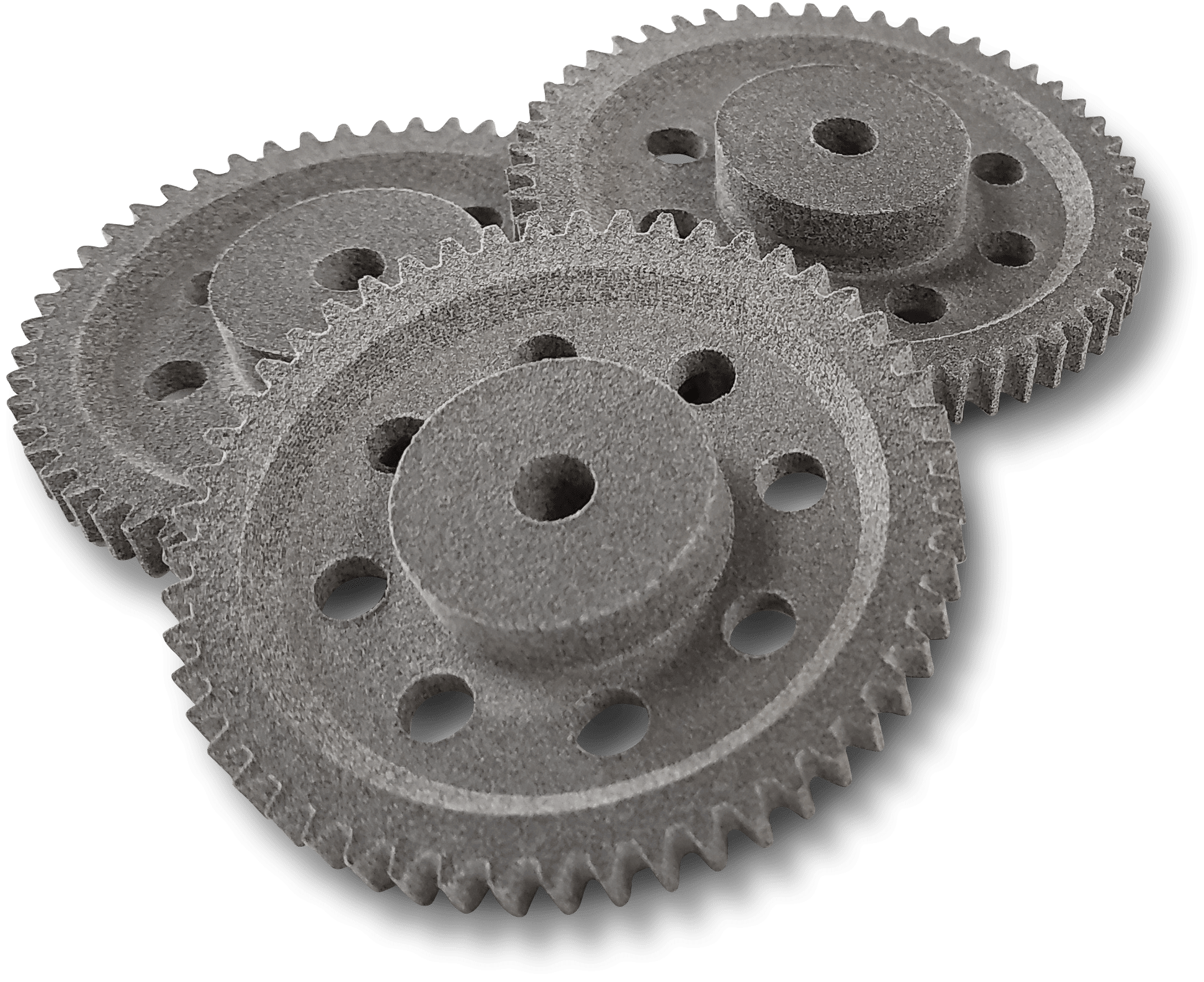 Additive manufacturing changes the equation by producing directly from a digital model without dedicated tooling.
For the right application, manufacturers should evaluate several potential ROI drivers.
Reduced Lead Times
Time has a cost.
Waiting several weeks for tooling, a replacement component, or a short production run can delay a project or leave valuable equipment sitting idle. Additive manufacturing can dramatically shorten the path from an approved design to a finished component.
3D Parts Unlimited supports applications ranging from one-off prototypes to production components using technologies including Multi Jet Fusion (MJF), Selective Laser Sintering (SLS), Fused Deposition Modeling (FDM), SLA/DLP, and Direct Metal Laser Sintering (DMLS).
Instead of asking only, “How much does this part cost?” manufacturers should also ask, “What is getting this part sooner worth to our operation?”
Lower Inventory Requirements
Manufacturers often carry spare parts because they cannot afford to wait when something fails. The problem is that those components consume capital and storage space, and some may never be used.
Additive manufacturing creates an opportunity to shift appropriate components from physical inventory to digital inventory.
 Rather than ordering and storing a large quantity of parts, manufacturers can maintain validated digital files and produce components as demand develops. This approach can be particularly valuable for low-volume replacement parts, legacy equipment, custom machinery, and components with unpredictable demand.
The potential return includes lower inventory carrying costs, less warehouse space, reduced obsolete inventory, and less capital tied up on a shelf.
Reduce the Cost of Production Interruptions
One of the largest potential AM returns may never appear on a purchase order. It is the cost of downtime.
When a small fixture, actuator arm, bracket, gripper, guard, or obsolete component fails, the purchase price of the replacement may be insignificant compared with the value of the production it interrupts.
3D Parts Unlimited worked with Signicast when replacement components for assembly and manufacturing lines had become obsolete through the original supplier. Using Multi Jet Fusion, 104 functional replacement components were produced with a one-day turnaround. The project also incorporated design modifications and inventory numbers into the parts for easier future replacement.
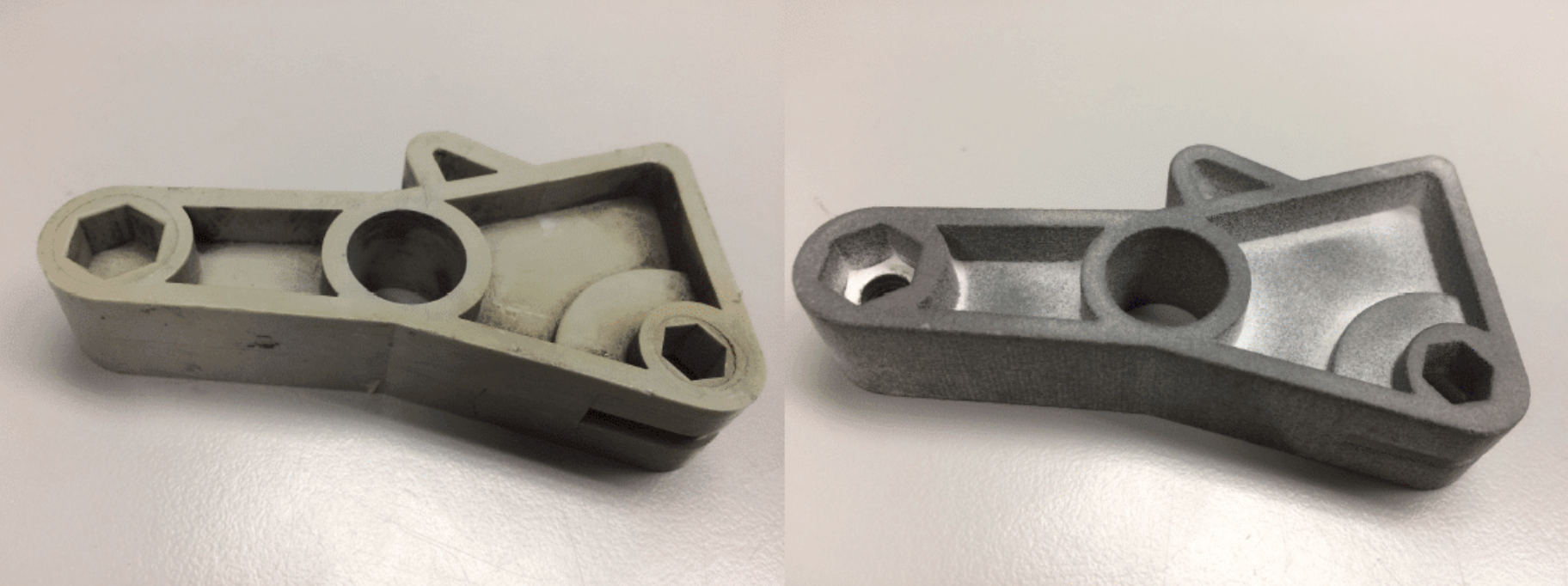
When evaluating an application like this, ROI should include the production hours recovered by getting equipment back into operation sooner.
Improve the Part, Not Just the Process
Additive manufacturing also gives engineers opportunities to rethink the component itself.
Complex geometries, lightweight structures, part consolidation, integrated features, and application-specific designs may be possible without the same constraints associated with conventional manufacturing.
A redesigned fixture, for example, could reduce weight for an operator or robotic system. Multiple components may be consolidated into a single printed assembly. Features that previously required secondary operations may be incorporated directly into the design.
These improvements can create ROI through reduced assembly labor, fewer components, lower maintenance requirements, improved ergonomics, or better performance.
The question becomes more than whether AM can reproduce the existing part. Can additive manufacturing create a better part for the application?
A Real-World Production Example
ATI Outdoors needed 5,000 front sights and 5,000 rear sights for an order, but conventional injection molds and molded components could not be obtained within the required timeframe.
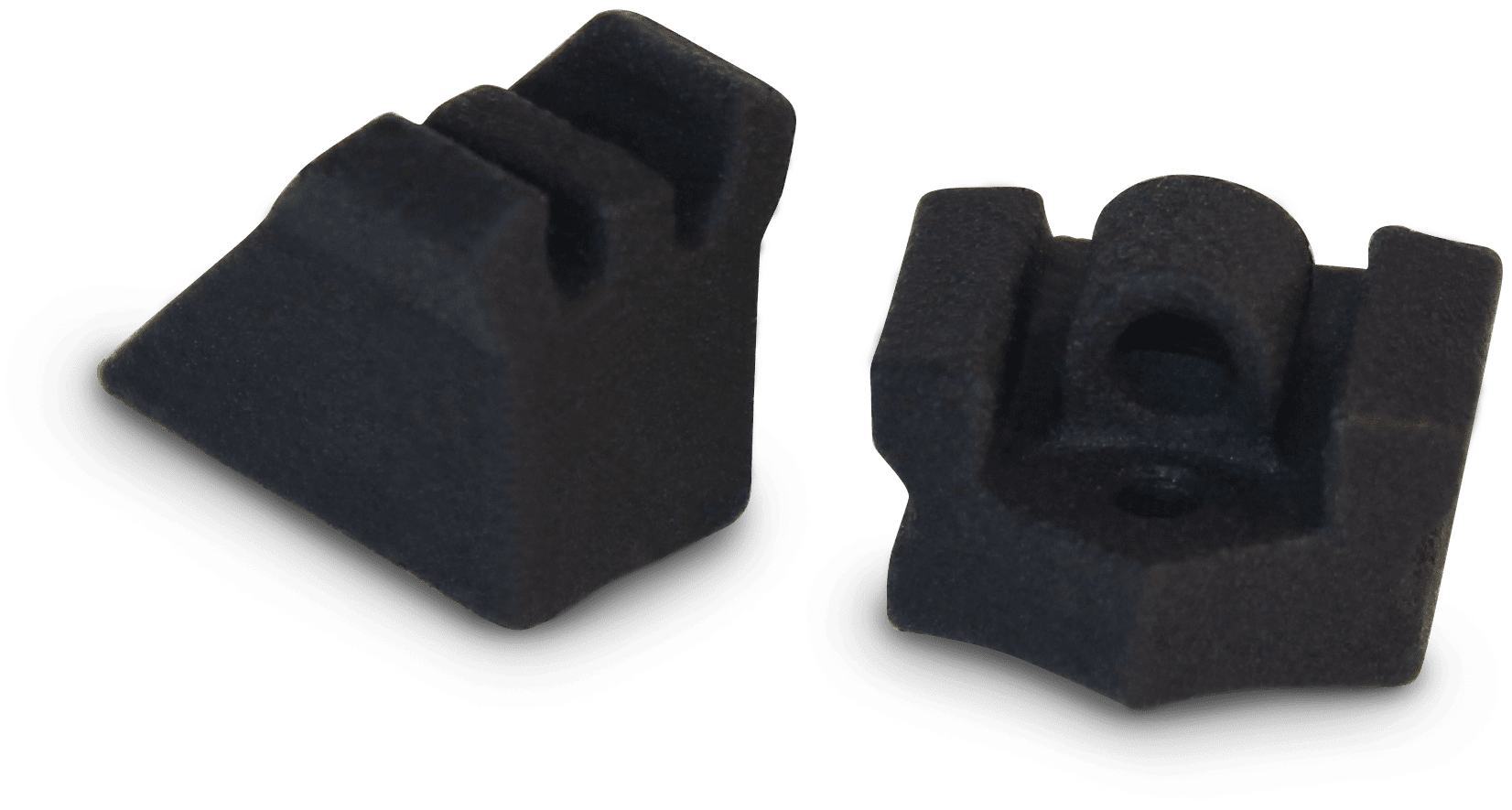 By using Multi Jet Fusion (MJF), 3D Parts Unlimited was able to produce 10,000 end-use parts in just 3 days from initial verification to final production.
According to the project results, the components were produced at a cost comparable to injection molding, but without the upfront tooling costs and with a significantly shorter lead time. Converting the original metal component to plastic also reduced the overall assembly weight.
How to Calculate Additive Manufacturing ROI Before You Start
Manufacturers do not have to implement AM first and measure the results later. A preliminary ROI analysis can identify the strongest applications before production begins.
Start by establishing the true cost of the current process.
- Current part cost and annual quantity
- Tooling, fixtures, molds, and setup costs
- Typical lead time
- Minimum order quantities
- Inventory and warehousing requirements
- Scrap and obsolete inventory
- Assembly and secondary operations
- Cost of engineering changes
- Downtime associated with unavailable parts
- Internal machining or production capacity consumed
Then compare those costs against the proposed additive solution, including printing, material, post-processing, inspection, and any initial engineering or design work.
From there, a basic calculation can then be made:
ROI = (Estimated Annual Savings – AM Implementation Cost) ÷ AM Implementation Cost × 100
But do not stop at direct savings. Quantify the operational impact wherever possible. If receiving a replacement component in days instead of weeks prevents 40 hours of downtime, assign a value to those recovered production hours. If printing on demand eliminates 100 spare components from inventory, calculate the capital that no longer needs to remain tied up.
Those numbers often reveal where the strongest AM opportunities exist.
Find the Right Application First
Additive manufacturing does not need to replace every conventional manufacturing process to generate meaningful returns.
The goal is to identify the applications where its advantages solve a measurable manufacturing problem.
Start with parts associated with long lead times, expensive tooling, low or unpredictable volumes, recurring downtime, obsolete suppliers, excess inventory, difficult geometries, or costly assembly requirements.
Then build the business case around the complete manufacturing equation.
With the right application, material, process, and production partner, additive manufacturing can do more than produce a part differently. It can reduce cost, increase responsiveness, and create measurable value across the manufacturing operation.