
What Makes Industrial Additive Manufacturing Different from Prototyping
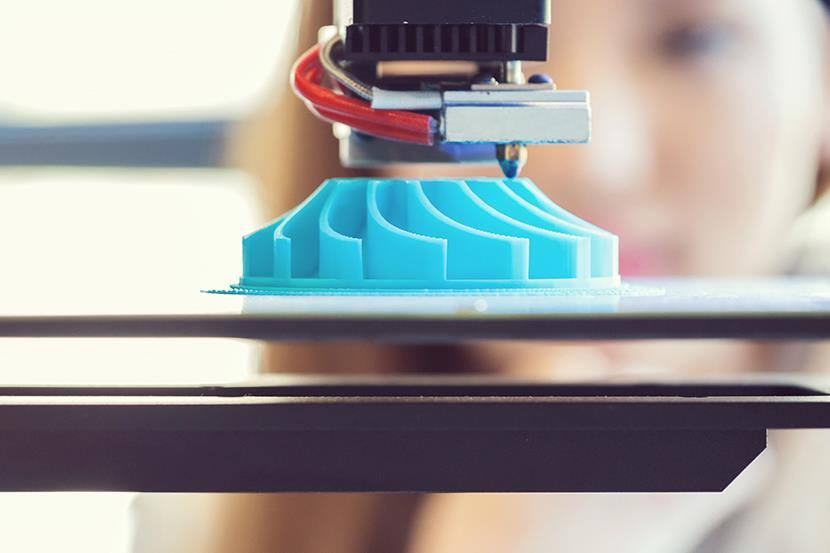 The growing popularity of 3D printing has made additive manufacturing more visible than ever before. However, the term “3D printing” often refers to very different types of technologies and applications.
For many people, 3D printing means quick prototypes produced on desktop machines. These parts are useful for visualizing concepts but are rarely intended for real-world industrial performance.
Industrial additive manufacturing is fundamentally different.
When AM is used for industrial parts, the components must perform under demanding conditions. They may be exposed to mechanical loads, temperature changes, vibration, and chemical environments. To succeed in these applications, the manufacturing process must be carefully engineered.
Material selection is one of the most important factors. Industrial AM uses engineering-grade materials designed for strength, durability, and consistency. These materials are processed under controlled conditions to ensure reliable performance.
Process control is equally critical. Variables such as build orientation, temperature management, and layer bonding influence the mechanical properties of the finished part. Industrial additive manufacturing providers must manage these parameters carefully to ensure consistent results across production runs.
Tolerance and dimensional accuracy are also key differences between prototyping and industrial manufacturing. Production components must integrate with existing assemblies and machinery. This means parts must meet strict dimensional requirements. Inspection and measurement processes verify that every component meets specification.
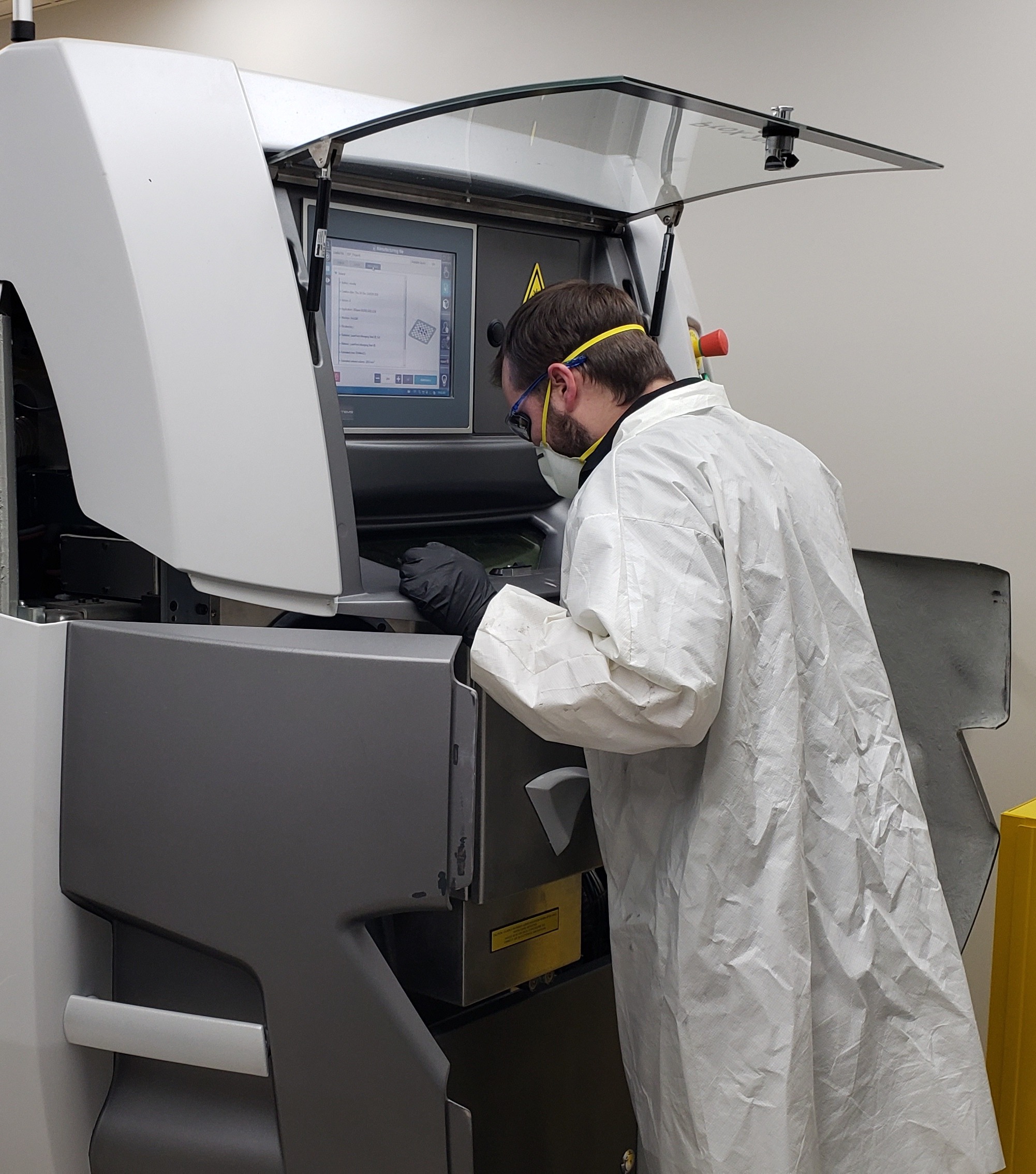 Post-processing is another major distinction. Many industrial AM parts require finishing processes such as machining, heat treatment, or surface refinement. These steps ensure the final component performs as required in real-world conditions. Quality assurance completes the process. Industrial manufacturers require documentation, inspection records, and repeatable processes to ensure reliability. Without these safeguards, additive manufacturing cannot be trusted for mission-critical applications.
At 3D Parts Unlimited, additive manufacturing is approached with the same discipline applied to traditional industrial manufacturing. Engineers work closely with customers to evaluate how AM will affect geometry, materials, and performance.
By combining engineering expertise with controlled production processes, additive manufacturing becomes a dependable manufacturing solution rather than simply a prototyping tool. Understanding this distinction helps companies choose the right additive manufacturing partner and unlock the full potential of industrial AM.