
Why Additive Manufacturing Is Reshaping Industrial Supply Chains
Industrial manufacturers are increasingly reevaluating how their supply chains operate. For decades, the dominant strategy involved sourcing parts globally, maintaining large inventories, and relying on centralized production. While this model once optimized cost, recent disruptions have revealed its weaknesses.
Long lead times, transportation bottlenecks, and geopolitical uncertainty have made supply chain resilience a top priority. Companies are searching for ways to reduce risk while maintaining production efficiency. Additive manufacturing (AM) is emerging as one of the most practical solutions.
Unlike traditional manufacturing processes, additive manufacturing builds parts directly from digital design files. Instead of removing material through machining or forming parts through molds, AM produces components layer by layer. This fundamentally changes the relationship between production and logistics.
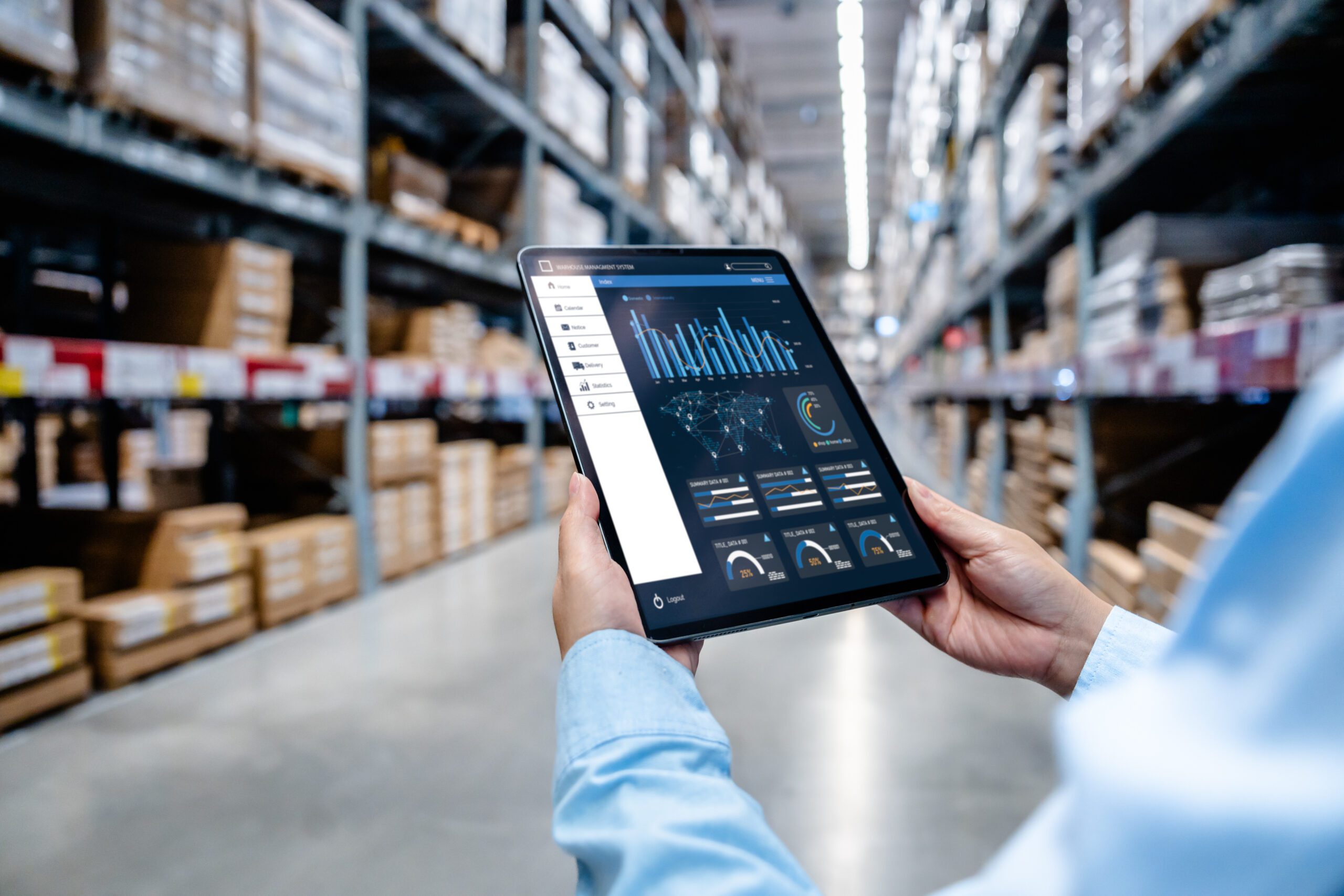
One of the most significant benefits of AM is the ability to shift from physical inventory to digital inventory. Traditional supply chains require manufacturers to store spare parts in warehouses, sometimes for years. This ties up capital and introduces the risk of obsolescence.
With additive manufacturing, parts can often be stored as digital files and produced only when needed. This reduces storage requirements while ensuring parts remain available when necessary.
Another key advantage is localized production. Many companies rely on overseas suppliers for specialized components. While global sourcing can reduce unit costs, it also increases exposure to delays and disruptions. Additive manufacturing enables parts to be produced closer to the point of use. This reduces shipping times, transportation costs, and dependence on long international supply routes.
Lead-time reduction is another important factor. Traditional manufacturing processes often require tooling before production begins. Creating molds, fixtures, or specialized tooling can take weeks or months. Additive manufacturing eliminates many of these steps. Once the digital design is finalized, production can begin immediately. For low-volume or replacement parts, this speed can be invaluable.
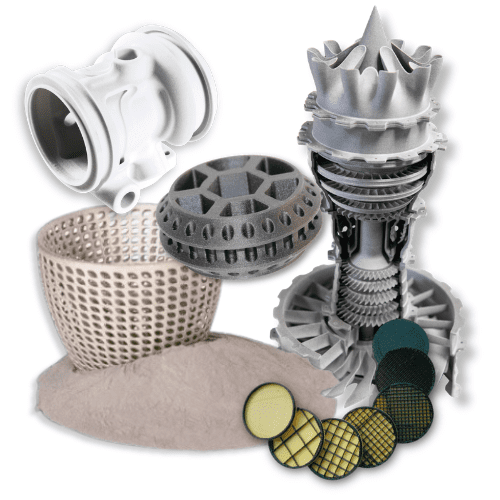
Engineering teams also benefit from faster iteration cycles. Because additive manufacturing allows rapid production of design variations, engineers can evaluate performance and refine designs more quickly. However, additive manufacturing must be implemented carefully when used for industrial parts. Some vendors focus exclusively on rapid prototyping and may compromise on materials or specifications.
For mission-critical industrial components, quality and reliability cannot be compromised. Parts must meet strict tolerance, strength, and performance standards.
At 3D Parts Unlimited, additive manufacturing is approached as a true industrial production process. Each project begins with a detailed evaluation of form, fit, and function to ensure the final component performs exactly as required.
By combining engineering expertise with advanced additive technology, manufacturers can reduce supply chain risk while improving agility. As supply chains continue evolving, additive manufacturing will play an increasingly important role. Companies that integrate AM strategically today will gain a competitive advantage tomorrow.